

We cut trees,
not corners.
Professional tree trimming and removal services
in Upstate, NY. For every tree removed, we plant one more in partnership with the Arbor Day Foundation.
Serving most parts of Chenango, Herkimer, Madison, Oneida, and Otsego Counties, including Bouckville, Brookfield, Canastota, Cazenovia, Chittenango, Clinton, Cooperstown, Frankfort, Hamilton, Herkimer, Ilion, Madison, Morrisville, New Berlin, Norwich, Oneida, Richfield Springs, Rome, Sherill, Utica, Vernon, Verona, Waterville, West Winfield, and surrounding areas.
Money doesn’t grow on trees.
Plows Tree Service customers can now choose Affirm at checkout and pay over time when paying their invoice through QuickBooks.
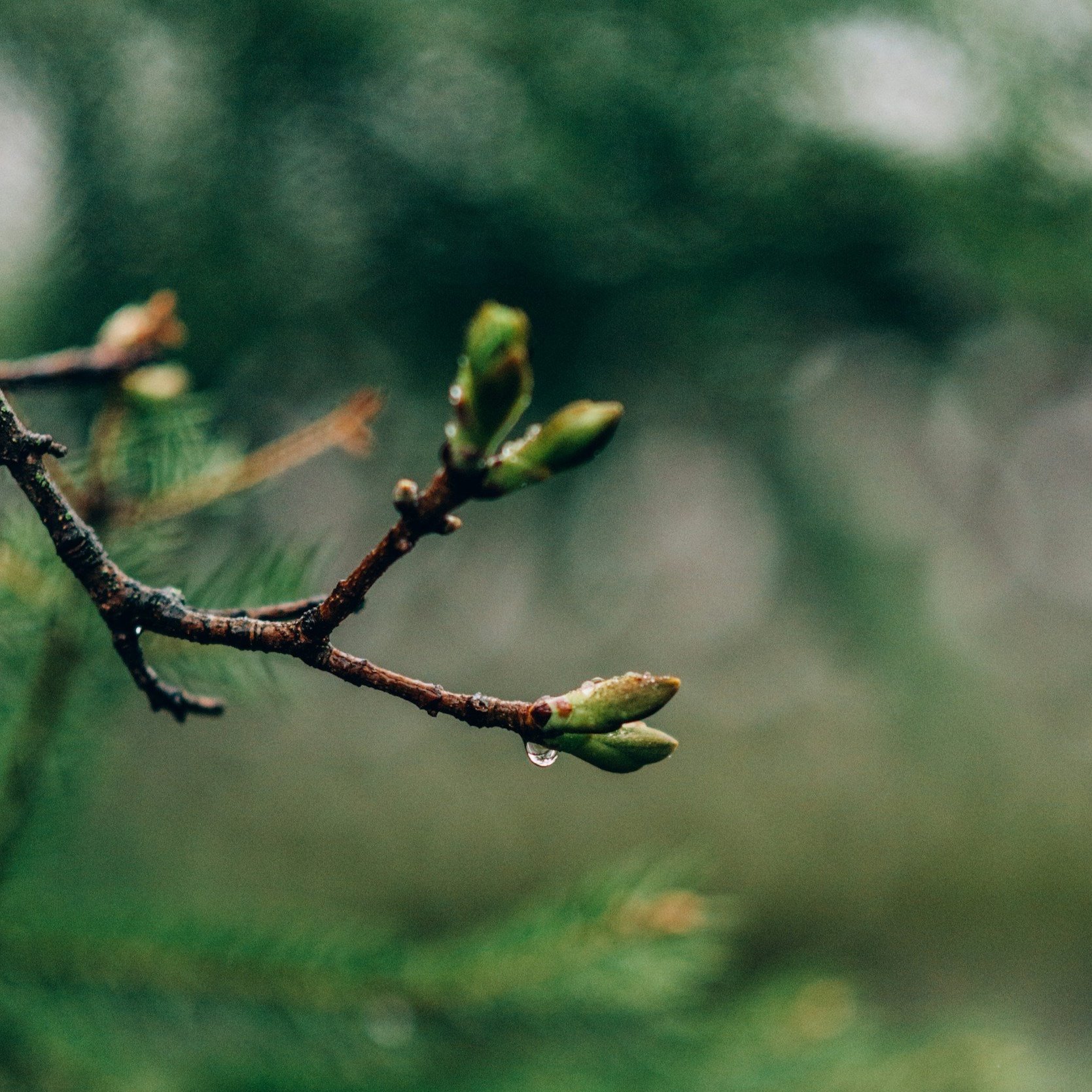
A proper spring tree care routine sets the stage for lush foliage, better resistance to pests and storms, and long-term vitality. From inspecting winter damage to pruning, fertilizing, and preparing for warmer weather, this checklist will guide you through the essential tasks to keep your trees thriving.
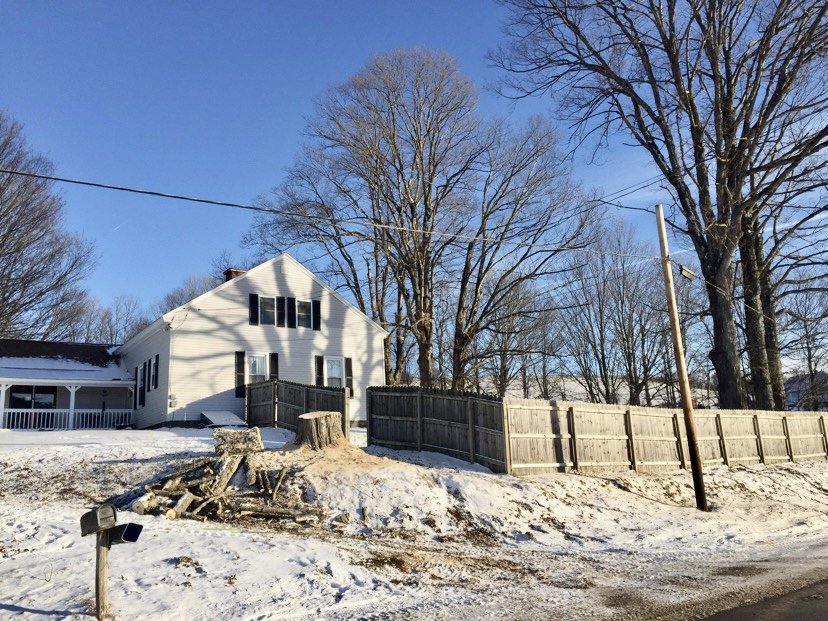
Winter is often overlooked as a prime season for tree care, but for homeowners in Central New York, it’s actually one of the best times to tackle important tree maintenance. The colder months bring a natural dormancy to trees, providing an ideal window for pruning, trimming, and other essential work. Without the foliage of spring and summer, tree professionals can more easily assess structural issues and ensure your trees are prepared for the harsh weather ahead. Proactive winter tree work not only enhances the health and safety of your trees but also prevents costly problems down the road.

Flooding can cause significant damage to trees, from suffocating their roots to making them vulnerable to toppling over. Understanding how hurricanes and subsequent flooding affect your trees is essential not only for their survival but also for the safety of your home and family. In this blog, we’ll explore how flooding impacts trees, the warning signs of flood damage, and what you can do to protect your trees.

Recent storms in Upstate New York have left many homeowners dealing with the aftermath of severe weather. The high winds and heavy rains have caused significant damage to trees, leading to broken branches, uprooted trees, and hazardous debris scattered across properties. In the wake of these storms, it’s essential to understand the steps you need to take to address tree damage promptly and safely. This guide will provide you with a comprehensive approach to assessing and managing storm damage, ensuring the safety of your home and the health of your trees.
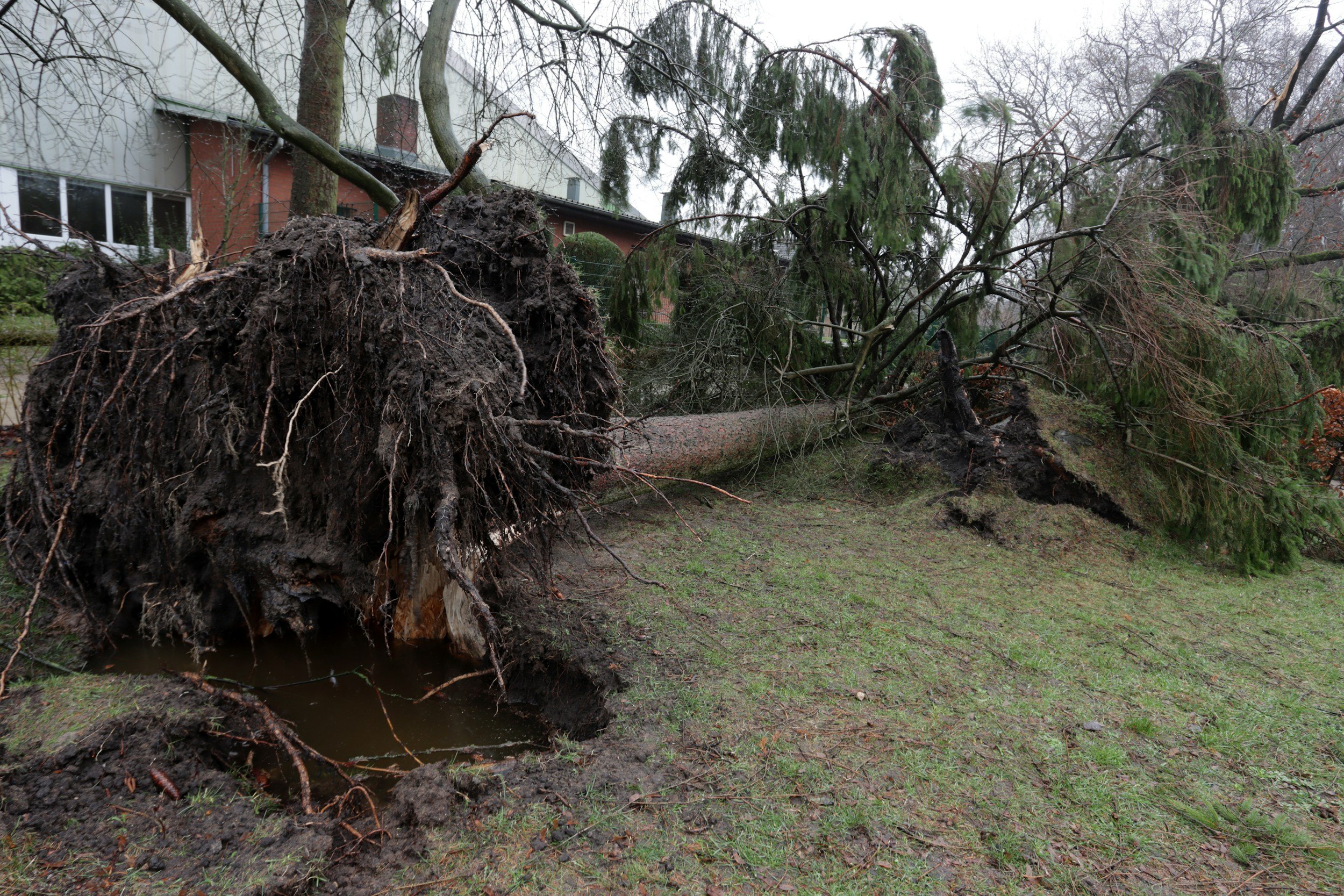
After the recent storms during the heat wave, you might find yourself dealing with an unexpected problem: your neighbor's tree has fallen onto your property. Whether it's damaged your home, garage, or just made a mess in your yard, figuring out what to do next can be overwhelming. But don't worry—you're not alone, and there are clear steps to take to sort everything out. In this guide, we'll break down what you need to know and do to handle this situation smoothly and keep things friendly with your neighbor.
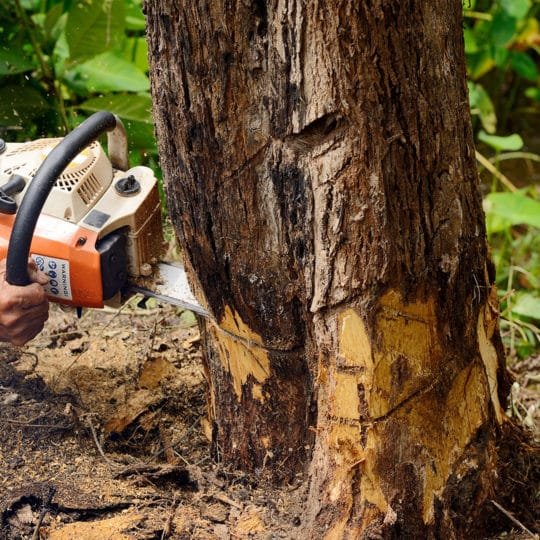
Are you thinking about removing a tree on your property by yourself? Tree removal can seem like a straightforward task, especially if the tree is dead or poses a threat to your home. However, DIY tree removal involves much more than simply cutting down a tree. From assessing the tree's health and deciding on the best approach to ensuring safety and managing debris, the process can be incredibly complex and hazardous. This guide will help you understand everything that goes into tree removal, highlighting why it is often best left to the professionals.
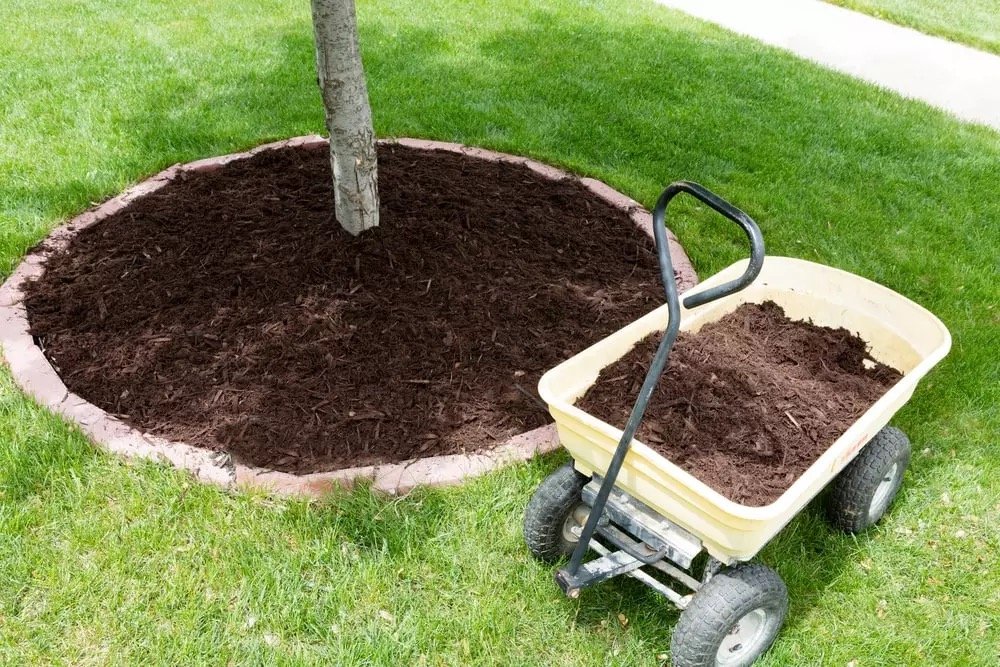
Whether you're a seasoned gardener or a new homeowner looking to improve your landscape, understanding the importance of mulching can make a world of difference. Imagine reducing your water bill, minimizing weeds, and providing your trees with essential nutrients—all with just one easy step. In this blog post, we'll explore the many benefits of mulching, guide you through choosing the right type of mulch, and share expert tips on proper mulching techniques.
At Plows Tree Service, we know that the process can seem daunting if you’re unsure what to expect. That's why we're here to guide you every step of the way, starting with a clear and honest estimate. Here’s what you can expect when you reach out to us for an estimate so you can feel confident and informed about your tree care needs.
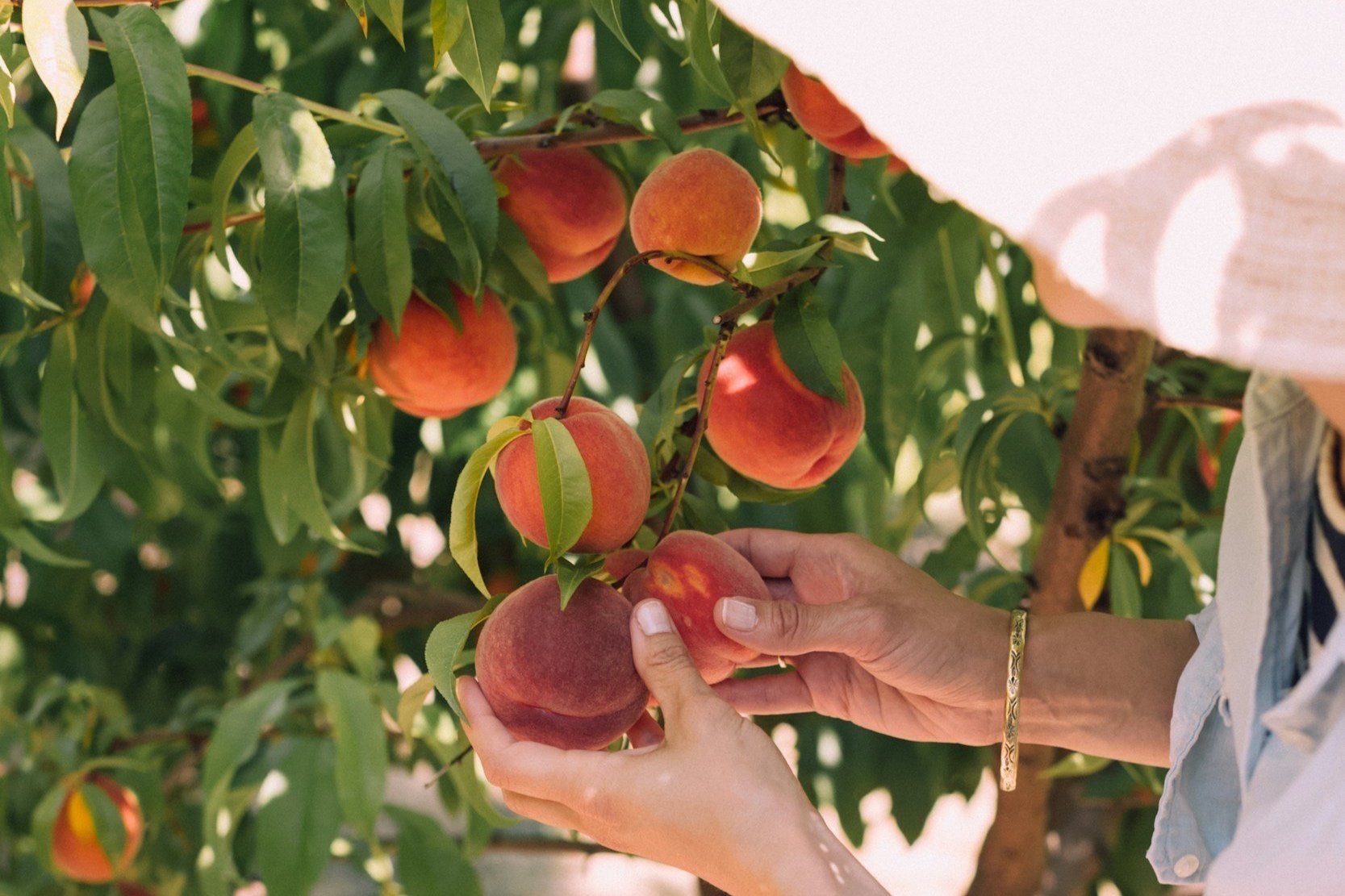
It's a warm spring day, and you're at your local nursery, staring down rows of apple trees. You've thought about planting one before, but where do you even start? With the nursery buzzing and spring in full swing, it's the perfect time to get into fruit trees. They do more than just look good in your yard; they'll give you your own fresh fruit to enjoy. In this blog post, we’ll cover everything you need to know to pick, plant, and care for fruit trees right here in Central New York. Let’s help you get that fruit tree from the nursery to your backyard, step by step.
-
"Awesome service. If you want reliable, reasonable, and respectful work done give them a call. Worked with us today and it's like a new and huge and clean yard and hillside. And estimates for tree removal coming next. Excellent. Excellent."
Jim R., Richfield Springs, NY
-
"We had 5 trees that were in various stages of decline, and were leaning heavily toward our home and fruit trees. Tom and Chad were on time, professional and courteous, both when he came for the consult/estimate, and when he arrived to do the job. His fee was very reasonable, and the work was exceptional. Not a tree, plant or bush was damaged in any way, the impact of the tree felling was hardly seen when they were done. I highly recommend their team."
Carol B., Cooperstown, NY
-
"We had a major storm at our home with a large tree branch down. Plows Tree Service quickly came to our home, cut up and removed the branch and debris, and helped us assess potential branches that may be a hazard in the future. We booked them to come back in the spring to take care of those branches. They were quick, effective, friendly and did a great job!"
Lindsey D., Oriskany Falls, NY
-
"Tom does great and fast work. I called him on a weekend due to some storm damage he came right out and took care of it for a fair price."
James A., Brookfield, NY
Storm-damaged trees can drop limbs days or even weeks later, and weakened root systems may fail in the next high wind. That’s why assessing your trees right after a storm is critical—and just as important is making sure they’re ready for the next one.
This guide walks you through how to spot signs of tree damage, avoid common mistakes, and take preventive steps that protect your property year-round.